Culture & entertainment
Culture and entertainment represent far more than leisure activities or weekend pastimes. These experiences form the bedrock of human connection, intellectual growth, and psychological well-being. From the focused silence of a concert hall to the tactile satisfaction of examining handmade objects, cultural engagement activates cognitive processes that passive consumption simply cannot replicate. In an era dominated by digital immediacy and algorithmic recommendations, understanding the diverse landscape of cultural experiences becomes essential for anyone seeking depth, meaning, and authentic connection in their daily lives.
This exploration examines the major domains of cultural participation: traditional craftsmanship that preserves heritage skills, live performances that create irreplaceable shared moments, preservation efforts that protect intangible culture, institutions that curate historical understanding, visual arts that challenge perception, and folklore traditions that connect us to psychological archetypes. Each area offers distinct pathways for engagement, whether as an observer developing critical appreciation or as an active participant supporting cultural continuity.
Why Cultural Engagement Matters in Modern Life
The benefits of regular cultural participation extend well beyond entertainment value. Research consistently demonstrates that engaging with arts and culture develops critical thinking abilities, emotional intelligence, and empathy in ways that isolated digital experiences cannot match. When you decode a complex theatrical narrative or analyze the symbolism in museum exhibits, you’re exercising cognitive muscles that translate directly to problem-solving in unrelated contexts.
Cultural experiences also provide essential social anchoring. Attending live performances creates shared reference points within communities, while participating in local festivals or supporting artisan networks builds connections across generational and socioeconomic boundaries. These interactions combat the isolation that characterizes much modern existence.
The psychological impact proves equally significant. Live performance, for instance, triggers neurological responses distinct from recorded media, activating mirror neurons and creating a sense of collective experience. Similarly, engaging with handmade objects or witnessing traditional techniques connects us to human timescales rather than the compressed temporality of mass production, offering a counterbalance to constant acceleration.
The Enduring Value of Traditional Craftsmanship
Traditional craftsmanship represents a production philosophy fundamentally different from industrial manufacturing. Where mass production prioritizes efficiency and uniformity, artisanal work embraces variation, durability, and the visible presence of human skill. Understanding this distinction becomes crucial when evaluating objects, whether for personal use or as cultural artifacts worth preserving.
Authentic craft demonstrates specific characteristics that marketing departments frequently attempt to simulate. True artisanal production involves techniques refined over generations, often requiring years of apprenticeship to master. The durability of traditionally-made items stems not from planned obsolescence but from deep material knowledge: a woodworker who understands grain direction, a potter who controls firing temperatures through observation rather than digital sensors, a textile artist who selects fibers for specific functional properties.
Distinguishing genuine craftsmanship from industrial products labeled “artisanal” requires attention to several factors:
- Evidence of hand processes, including intentional variations that demonstrate human decision-making rather than machine precision
- Materials selected for longevity and repairability rather than lowest cost or aesthetic trends
- Transparent supply chains where you can identify the maker and their training lineage
- Pricing that reflects the true time investment, typically incompatible with discount retail models
Supporting artisans directly through commissioned work, cooperative purchases, or skill-sharing initiatives helps ensure these knowledge systems survive for future generations. Proper preservation of handmade items you already own—understanding appropriate cleaning methods, storage conditions, and repair techniques—honors both the object and the cultural tradition it represents.
Live Performance and Musical Experiences
Live performance creates psychological and sensory experiences impossible to replicate through recording technology. The shared presence of performers and audience generates a unique temporal reality where spontaneity, risk, and collective attention combine in ways that fundamentally differ from passive media consumption.
Theatre and Dramatic Arts
Theatrical performance offers particularly rich opportunities for developing both emotional intelligence and intellectual engagement. Decoding complex narratives in real-time, without the ability to pause or rewind, strengthens sustained attention and interpretive skills. Non-linear storytelling techniques, where chronology fragments or perspectives shift unexpectedly, challenge audiences to actively construct meaning rather than receive it passively.
The physical experience matters equally. Set design operates as symbolic language, communicating character psychology, historical context, and thematic concerns through spatial relationships, materials, and lighting. Learning to read these visual codes transforms theatre attendance from simple narrative consumption into multilayered interpretation. Selecting the right seat involves understanding sightlines, acoustic properties, and how different positions alter your relationship to the performance.
Practical preparation enhances engagement: researching the playwright’s context, understanding the historical moment being portrayed, or familiarizing yourself with non-linear structure if the work employs experimental techniques. Supporting small productions contributes to theatrical ecology, ensuring diverse voices and experimental work survive alongside commercial entertainment.
Classical Music and Orchestral Settings
Orchestral concerts demand a particular kind of sensory discipline that proves increasingly rare in contemporary life: sustained, undivided attention in shared silence. The acoustic perfection possible in purpose-built concert halls creates sonic experiences that recordings, regardless of quality, cannot fully capture—the physical sensation of low frequencies, the spatial positioning of instrument sections, the micro-dynamics lost in compression.
Understanding concert etiquette serves functional rather than elitist purposes. Silence between movements allows musical tension to resolve; coughing during quiet passages genuinely disrupts both performers and fellow listeners. The conductor’s role extends far beyond timekeeping, shaping interpretation through decisions about tempo, dynamics, and the balance between instrument hierarchies that define the ensemble’s sonic character.
Choosing the right program for your experience level prevents both boredom and overwhelm. Shorter works by accessible composers provide better entry points than three-hour contemporary pieces requiring extensive musical literacy. Preventing auditory fatigue means understanding your own limits and selecting seat locations that deliver clarity without excessive volume.
Preserving and Accessing Cultural Heritage
Cultural preservation encompasses both tangible artifacts and the intangible culture of practices, knowledge systems, and traditions that exist primarily in human memory and performance. Active participation in transmission ensures these elements survive technological and social change.
Active Preservation Efforts
Modern preservation increasingly relies on accessible documentation techniques. Amateur recording methods—from oral history interviews to video documentation of traditional techniques—create archives that professional institutions cannot match in scope or community connection. Digitizing physical artifacts, whether family photographs or local historical materials, requires understanding file formats, resolution requirements, and metadata standards that ensure long-term accessibility.
Funding preservation efforts often depends on demonstrating community value and finding sustainable models beyond one-time grants. Successful initiatives typically combine multiple approaches:
- Direct revenue from workshops or demonstrations that teach traditional skills
- Tourism partnerships that balance visitor access with cultural respect and community benefit
- Documentation projects that create educational resources with ongoing licensing potential
- Apprenticeship programs that generate both skilled practitioners and public engagement
Reviving lost skills requires detective work—analyzing surviving examples, consulting historical texts, and often accepting that complete recreation proves impossible. The goal becomes maintaining living traditions rather than museum preservation.
Museums and Curated Institutions
Museums function as more than storage facilities for old objects. Thoughtful curation develops critical thinking by presenting objects in context, revealing the constructed nature of historical narratives, and encouraging visitors to question whose stories receive prominence and whose remain marginalized.
Engaging children effectively requires understanding developmental stages and designing experiences that balance education with genuine enjoyment. Interactive elements succeed when they illuminate concepts rather than simply entertaining. Current debates about repatriation ethics—whether institutions should return objects acquired through colonial processes—offer valuable opportunities to discuss power, ownership, and cultural heritage with learners of all ages.
Optimizing your visit path means understanding both physical layout and your own attention span. Most people can actively engage with exhibitions for roughly two hours before fatigue diminishes retention. Evaluating membership value depends on frequency of visits, special access benefits, and whether you value supporting the institution beyond personal use.
Visual Arts and Contemporary Expression
The art world often appears deliberately opaque, with pricing structures, critical vocabulary, and social norms that discourage newcomers. Demystifying these systems enables both personal enjoyment and informed collecting, regardless of budget level.
Gallery intimidation typically stems from uncertainty about appropriate behavior and fear of judgment. The reality: galleries exist to show work, and viewing costs nothing. Learning to judge quality objectively involves developing visual literacy—understanding composition, technique, conceptual coherence, and how specific works relate to broader artistic conversations. This skill develops through repeated viewing and comparison, not innate talent.
Spotting emerging talent before market recognition requires attention to exhibition patterns: group shows at experimental spaces, graduate programs at respected institutions, or representation by galleries with track records of developing artists. Price tags reflect complex factors including materials, scale, artist career stage, gallery overhead, and market positioning. A higher price doesn’t automatically indicate superior work, just as affordability doesn’t suggest lesser quality.
Networking at openings serves multiple purposes beyond socializing: building relationships with gallery staff who can educate you about artists, meeting other collectors whose taste aligns with yours, and occasionally meeting artists whose work you admire. Authenticity matters more than performance; genuine curiosity proves far more effective than attempting to project expertise you don’t possess.
Folklore, Mythology, and Living Traditions
Folklore and mythology offer more than entertainment or historical curiosity. These storytelling traditions connect us to psychological archetypes—recurring patterns of human experience that remain relevant across cultural and temporal boundaries. The hero’s journey, trickster figures, creation narratives, and cautionary tales operate as cultural technologies for transmitting values, processing complex emotions, and creating shared identity.
Differentiating myth from history requires understanding that these categories serve different purposes. Myths convey psychological and moral truths through symbolic narrative, while history attempts factual reconstruction. Many traditions blend both, creating stories that contain historical kernels elaborated through generations of retelling.
Participating in local festivals connects these ancient patterns to contemporary community life. Whether seasonal celebrations, commemorations of historical events, or storytelling traditions, festivals create temporal markers and shared experiences that strengthen social bonds. Supporting efforts to preserve dying languages proves particularly crucial, as linguistic diversity carries unique ways of conceptualizing reality that disappear when languages die.
Teaching moral lessons through traditional stories remains effective because narrative creates emotional engagement that abstract principles cannot match. Adapting these traditions for modern audiences involves respecting core meanings while updating surface details, ensuring relevance without distortion. The balance requires cultural sensitivity and deep understanding of what makes specific stories function within their original contexts.
Cultural engagement ultimately represents an investment in both personal development and collective continuity. Whether you’re drawn to the meditative focus of classical concerts, the intellectual challenge of complex theatre, the tactile connection of handmade objects, or the community anchoring of local traditions, each domain offers pathways for deeper understanding. The richness emerges not from superficial sampling but from sustained attention—choosing areas that genuinely resonate and developing the literacy to engage meaningfully over time.
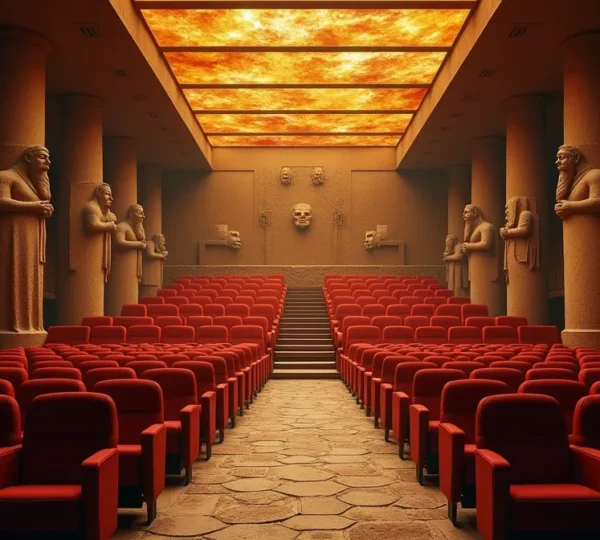
Why Ancient Folklore Still Resonates in Modern Movies?
Modern films resonate so deeply because they function as subconscious rituals, allowing us to engage with the same psychological archetypes our ancestors did. Beyond retelling plots, successful adaptations translate the core psychological function of a myth into a modern context….
Read more
How to Buy Your First Original Artwork: A Confidential Guide to Navigating the Art World
The art world feels exclusive and confusing, making it scary to buy your first piece. The key isn’t a massive budget, but understanding the system. Confidence comes from simple preparation, not from being an art history expert. Art prices are…
Read more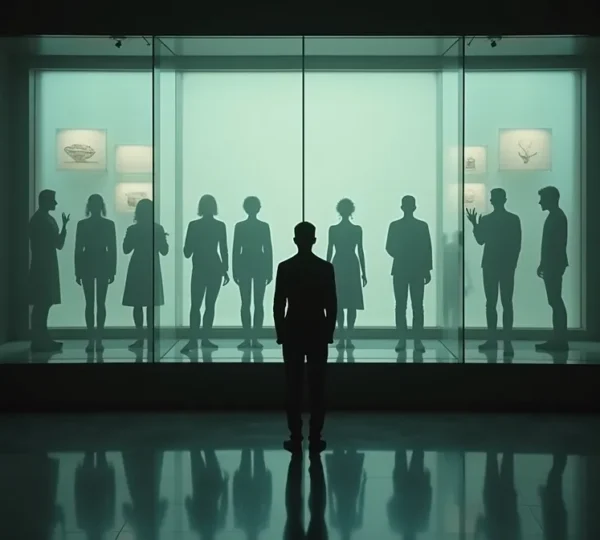
How to Truly Read a Museum: A Curator’s Guide to Seeing What’s Unsaid
Most people believe museums are neutral containers of truth, but this is a fundamental misunderstanding. Every exhibit is a carefully constructed argument. This guide reveals the curatorial secrets to deconstruct that argument, helping you see the hidden narrative shaped by…
Read more
Why Documenting Family Oral History Is Urgent Right Now
That quiet anxiety you feel about your grandparents’ fading stories is a crucial warning sign. The greatest risk isn’t just forgetting; it’s losing this irreplaceable history forever. This guide reframes family archiving not as a sentimental hobby, but as an…
Read more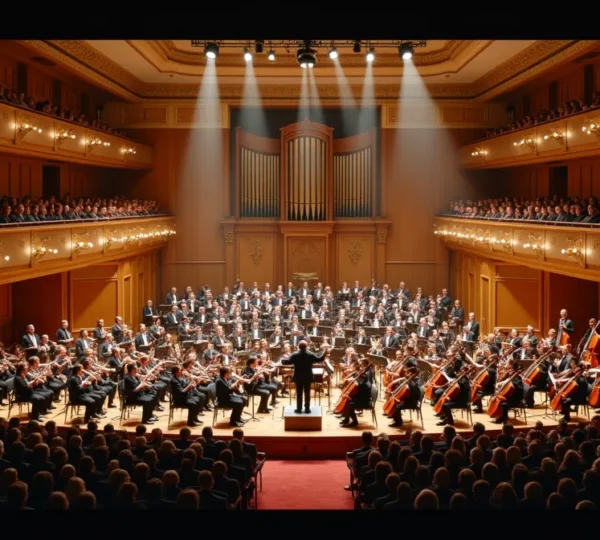
Why Live Orchestral Audio Surpasses High-End Headphones?
The superiority of live orchestral sound is not a matter of technology that headphones can eventually solve, but a fundamental issue of physics and psychoacoustics. Live sound provides physical, haptic feedback and exists within a unique “acoustic terroir” that headphones…
Read more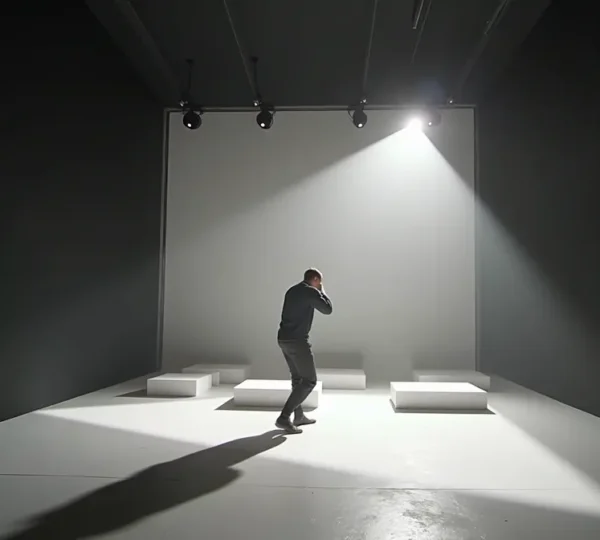
How to Interpret Avant-Garde Theater Without Feeling Lost?
The secret to enjoying avant-garde theater isn’t about trying to “get it” in the traditional sense, but learning to decode the unique language of the performance. Modern plays often abandon linear plots to explore raw emotion and ideas more directly….
Read more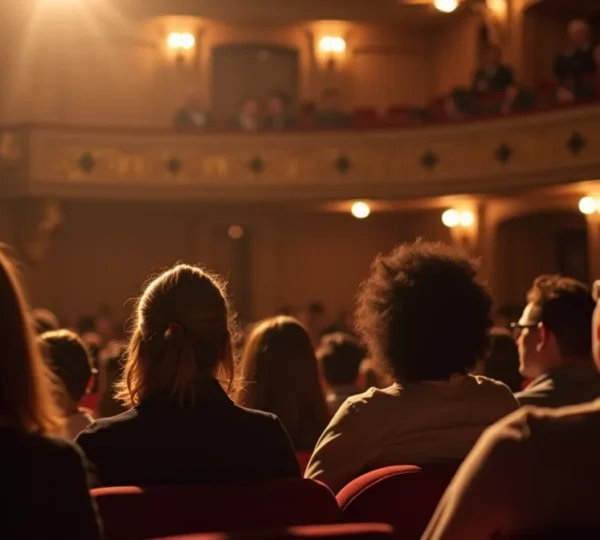
The Unseen Currency: Decoding the Psychological Impact of Collective Live Performances
Paying for a live show isn’t about the content; it’s an investment in a unique neuro-biological process that streaming fundamentally cannot replicate. Live events trigger greater brain synchronization and amygdala activity, fostering measurable empathy and emotional connection. The shared physical…
Read more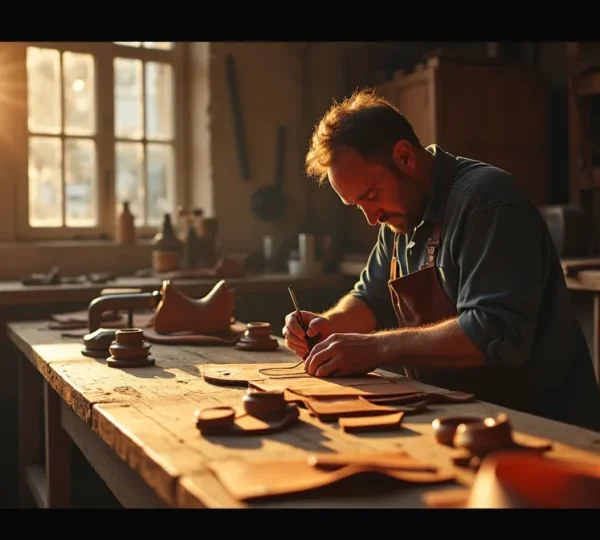
Beyond the Price Tag: The Tangible Value of True Craftsmanship
The high price of handmade goods is not about sentiment; it’s a direct measure of superior structural integrity and longevity. Hand-sewn saddle stitching is fundamentally more durable than machine sewing, preventing catastrophic failure. Authentic craft is identifiable through tangible details…
Read more